How to choose an engagement ring in Toronto
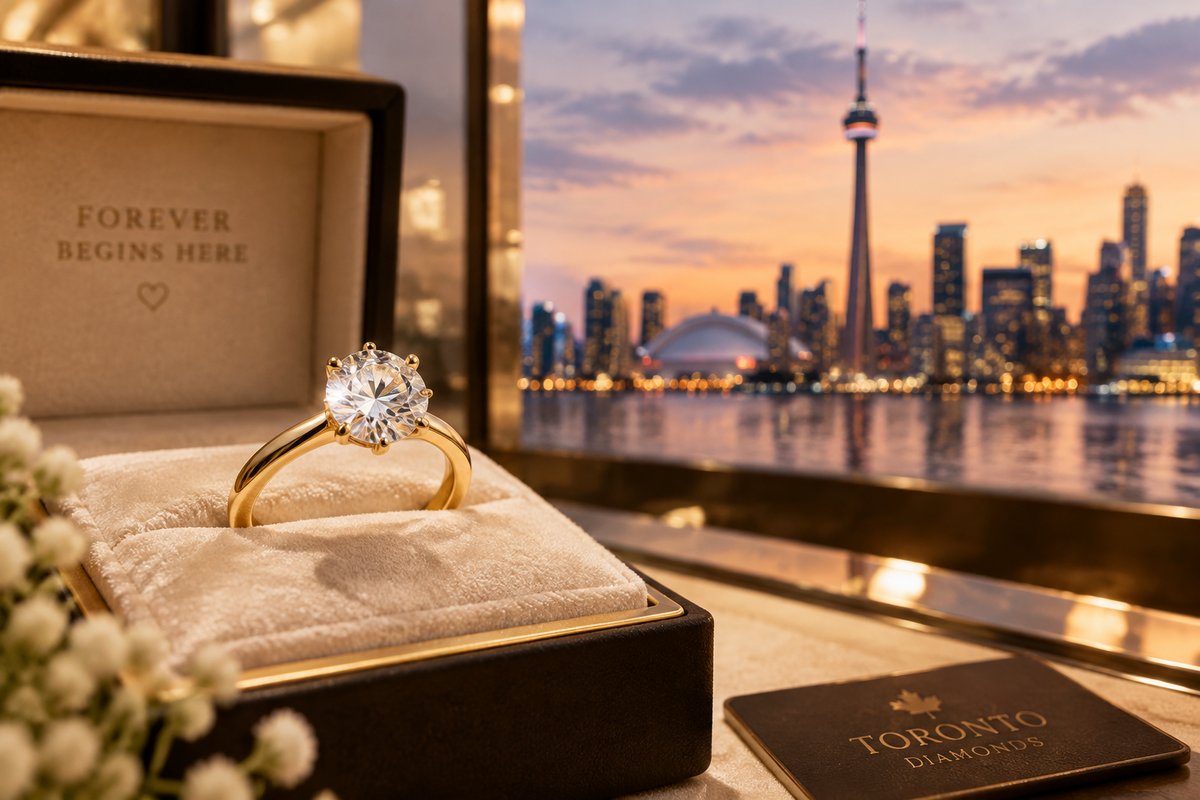
Choosing an engagement ring should feel exciting, not overwhelming. Whether you're buying a finished design or having one made, working through these steps in order makes every decision easier.
1. Set a budget you're comfortable with
Forget the old "three months' salary" rule. It was an advertising slogan, not a guideline. Decide on a range that feels right for you, then let a good jeweller show you the best options within it. Your budget will guide the biggest decisions: natural or lab-grown, and the size and quality of the centre stone.
2. Choose a shape
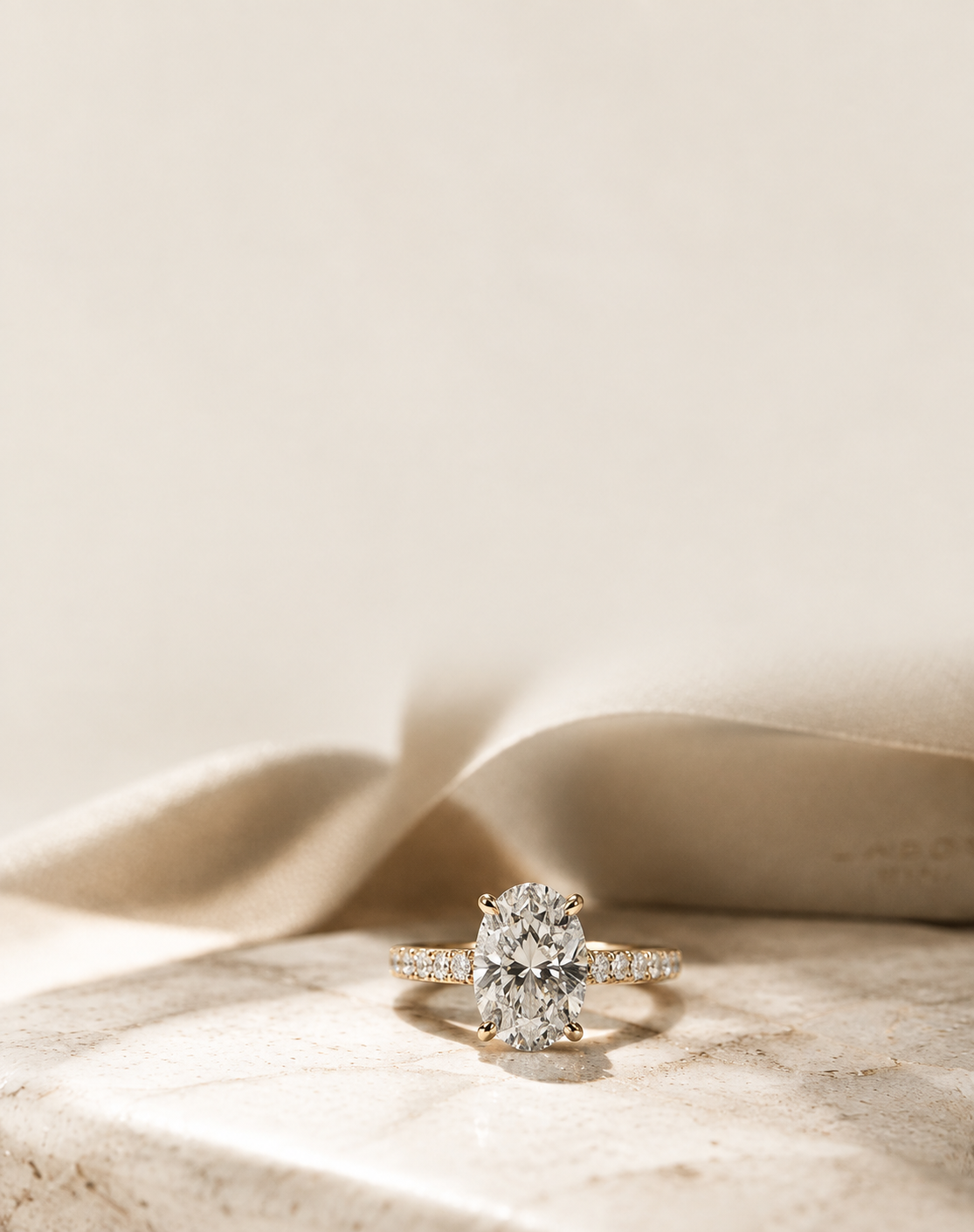
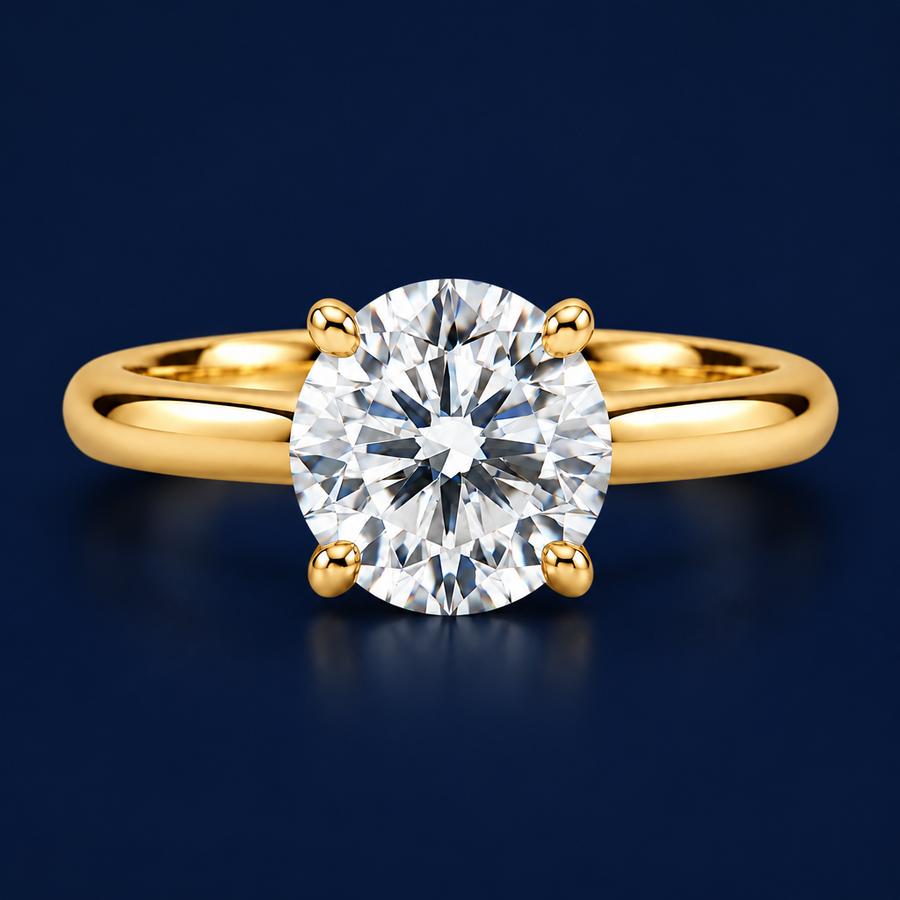
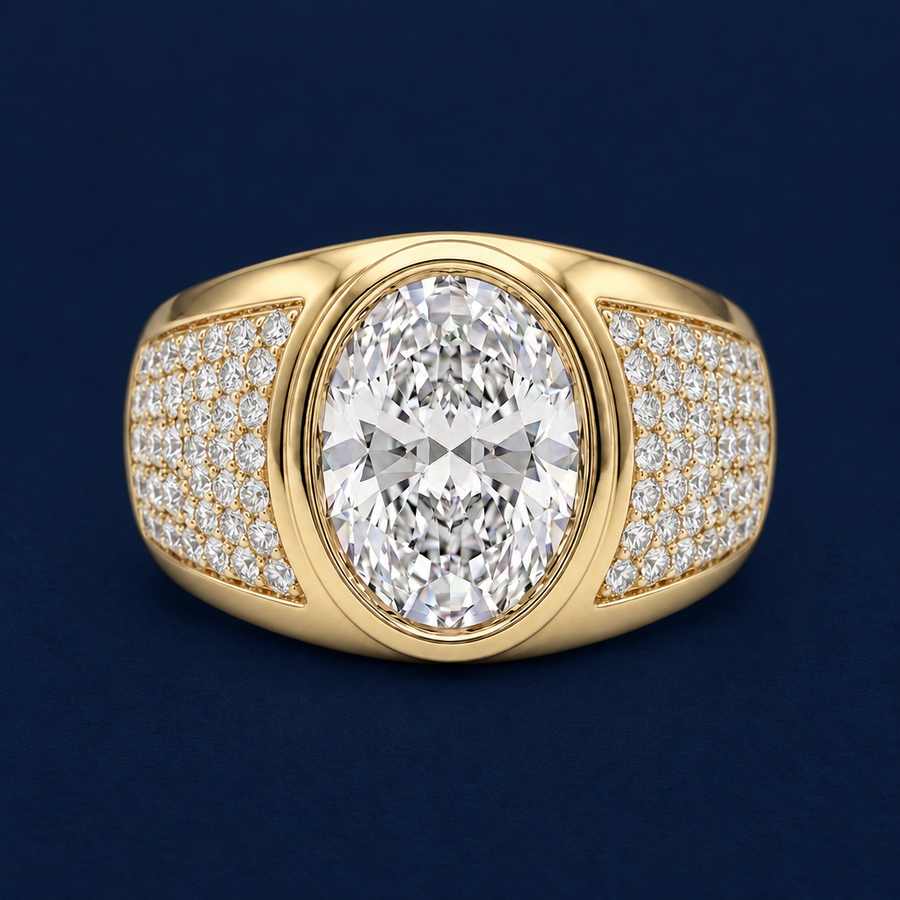
The shape of the centre stone sets the ring's whole character. Round gives the most sparkle and is timeless. Oval, pear and marquise look larger for their weight and lengthen the finger. Emerald cuts are elegant and understated, with long, mirror-like flashes. If you're not sure, notice the jewellery your partner already wears: it's often the best clue.
3. Understand the 4Cs, and where to spend
Every diamond is graded on cut, colour, clarity and carat. Cut matters most, because it controls how the stone sparkles. For colour and clarity, a stone that looks white and clean to the naked eye usually gives the best value, since the differences between top grades are often invisible once set. Carat is weight rather than size, and choosing just below popular weights like 1.00 or 1.50 carats can save money with no visible difference.
4. Natural or lab-grown
Both are real diamonds that look identical. Natural diamonds are rarer and hold their value better; lab-grown diamonds let you choose a larger or higher-grade stone for the same budget. Our guide to lab-grown and natural diamonds covers the full comparison.
5. Pick the metal and setting
Yellow gold feels warm and classic, white gold and platinum give a bright, modern look, and platinum is the most durable choice for everyday wear. For the setting, a solitaire puts all the focus on the stone, a halo adds sparkle and makes the centre look larger, and a three-stone design adds meaning and presence.
6. Find the ring size, discreetly
Borrow a ring your partner already wears on the right finger and bring it to your jeweller, or ask a close friend or family member to help. If you're unsure, it's better to size slightly larger, since most rings can be resized after the proposal.
7. Give yourself enough time
A custom engagement ring is designed, modelled, cast and set by hand, so allow several weeks from your first consultation, and more if you're sourcing a specific stone. If you have a proposal date in mind, start early.
8. Choose a jeweller you trust
Look for a jeweller who shows you real stones in person, explains each grading report, lets you approve the design before anything is made, and gives you a clear quote from the start. A consultation should feel like a conversation, not a sales pitch.
If you're in the Greater Toronto Area, we'd be happy to help. Book a complimentary consultation, in person or by video, and we'll walk you through every step, from choosing the stone to approving your design.